

Natural Herbs for Hydration and Electrolyte Support After Iftar/Suhoor 2026
Ramadan 2026 in Pakistan brings spiritual renewal, but fasting long hours can result in dehydration, fatigue, electrolyte imbalance, and reduced physical performance. We understand the importance of maintaining optimal hydration and restoring essential minerals during the limited eating windows of iftar and suhoor. The most effective and natural solution lies in herbal hydration support, which replenishes fluids, strengthens the body, and promotes sustained energy.
At Green Roots, we emphasize natural herbs rich in electrolytes, minerals, and bioactive compounds that help the body recover after fasting. By integrating carefully selected herbs from our premium herbs and spices collection, we empower individuals to maintain hydration naturally and effectively.
Why Hydration and Electrolyte Balance Is Essential After Fasting
During fasting, the body loses water, sodium, potassium, magnesium, and chloride, which are critical electrolytes responsible for:
-
Maintaining nerve function
-
Regulating muscle contractions
-
Supporting heart rhythm
-
Balancing blood pressure
-
Preserving energy levels
Without proper replenishment, individuals may experience weakness, headaches, dizziness, muscle cramps, and fatigue. Natural herbs provide gentle yet powerful hydration support, unlike artificial electrolyte drinks that often contain excessive sugar and synthetic additives.
Top Natural Herbs for Hydration and Electrolyte Support
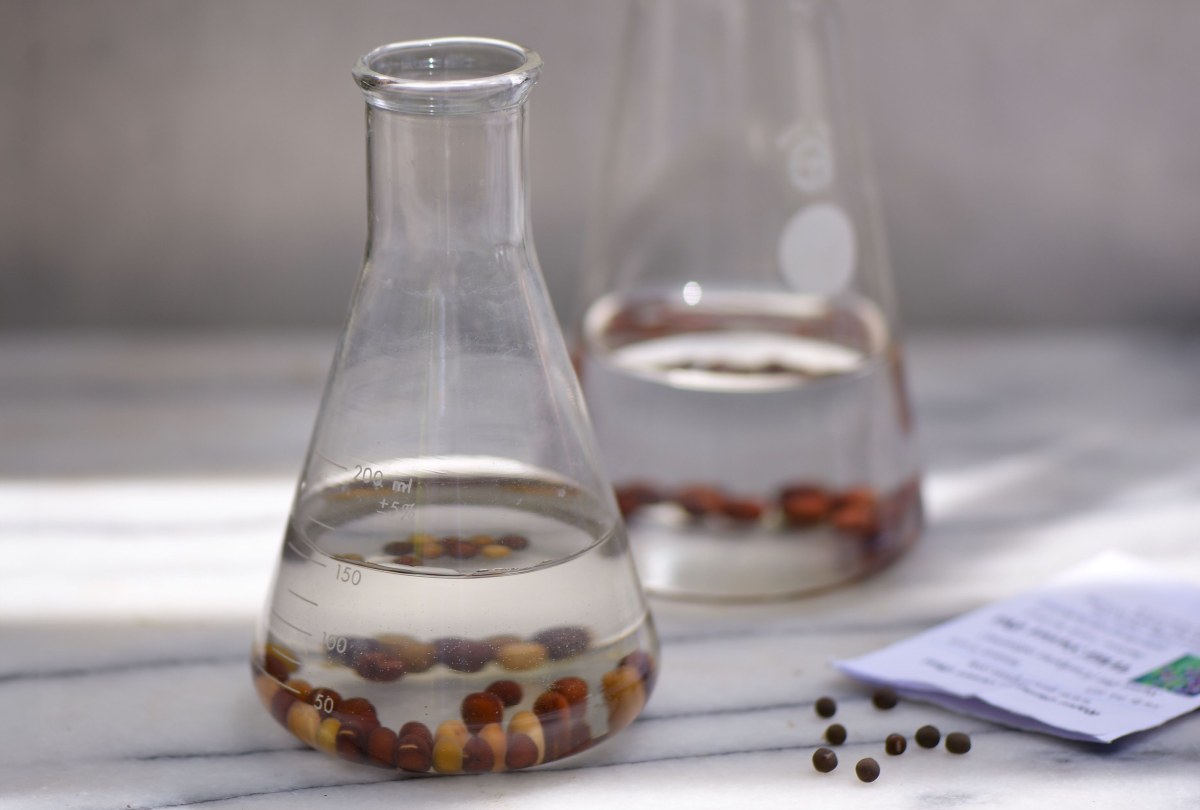


1. Basil Seeds (Sabja Seeds) – Natural Cooling Electrolyte Booster
Basil seeds, known locally as tukh malanga or sabja seeds, are among the most effective herbs for hydration. When soaked, they form a gel that helps the body retain water and maintain electrolyte balance.
Key Benefits:
-
Supports fluid retention
-
Provides natural potassium and magnesium
-
Reduces body heat and dehydration
-
Enhances digestive comfort after iftar
We recommend adding soaked basil seeds to lemon water or herbal drinks at iftar for immediate hydration recovery.
2. Fennel Seeds (Saunf) – Restores Digestive and Electrolyte Balance
Fennel seeds are rich in calcium, potassium, and antioxidants, making them ideal for restoring mineral balance.
Hydration Advantages:
-
Supports electrolyte replenishment
-
Reduces bloating and digestive discomfort
-
Enhances water absorption
-
Promotes cooling and detoxification
Fennel water consumed at suhoor helps maintain hydration throughout the fasting day.
3. Mint (Pudina) – Refreshing Herb for Hydration and Cooling
Mint is widely recognized for its cooling, refreshing, and hydrating properties. It helps regulate body temperature and improves electrolyte absorption.
Core Benefits:
-
Promotes fluid balance
-
Supports digestion after heavy iftar meals
-
Reduces fatigue and heat stress
-
Improves mental alertness
Adding mint to water creates a natural electrolyte-rich herbal infusion.
4. Coriander Seeds (Dhania) – Mineral-Rich Hydration Herb
Coriander seeds provide essential minerals like potassium, calcium, and iron, which help restore electrolyte equilibrium.
Electrolyte Benefits:
-
Improves cellular hydration
-
Supports kidney function
-
Enhances fluid absorption
-
Maintains healthy blood pressure
Coriander seed water is especially beneficial at suhoor to prevent dehydration during fasting hours.
5. Licorice Root (Mulethi) – Natural Hydration and Energy Support
Licorice root helps maintain fluid retention and adrenal function, supporting the body during extended fasting periods.
Hydration Benefits:
-
Maintains electrolyte balance
-
Supports energy and endurance
-
Prevents excessive fluid loss
-
Enhances immune resilience
Licorice herbal tea is an excellent choice for post-iftar recovery.
Best Herbal Drinks for Hydration After Iftar
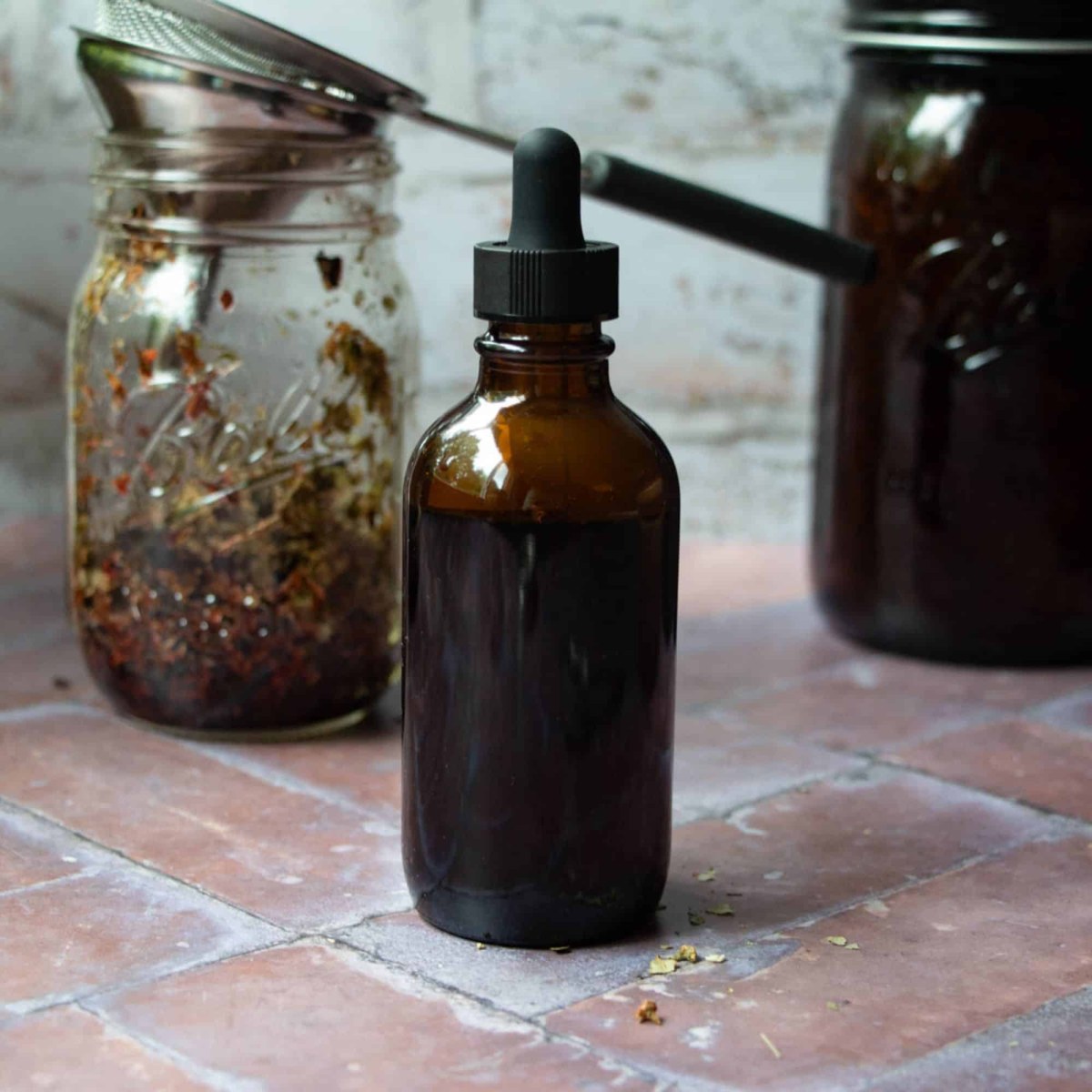

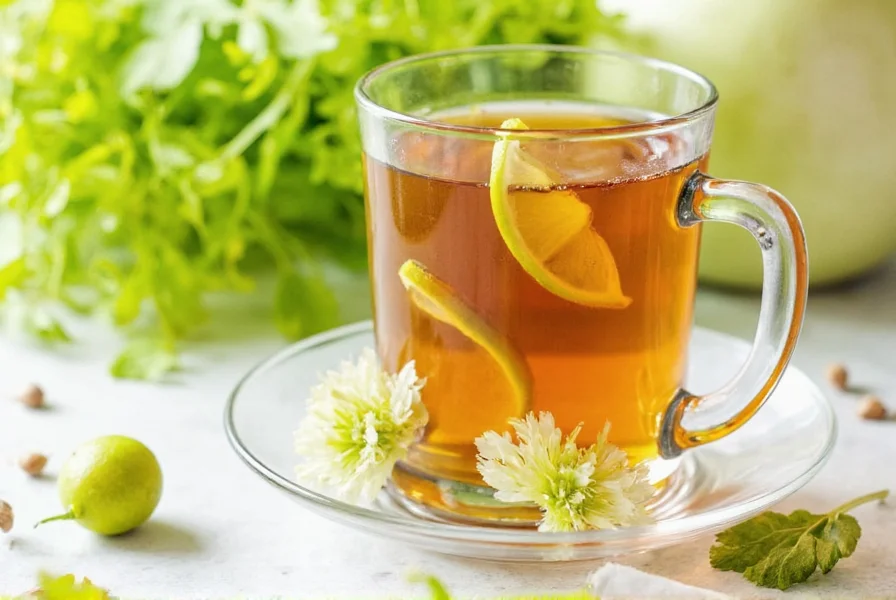

We recommend incorporating the following herbal drinks:
Basil Seed Lemon Drink
-
Restores electrolytes instantly
-
Improves digestive recovery
Mint and Coriander Detox Water
-
Enhances hydration efficiency
-
Supports body cooling
Fennel Seed Herbal Tea
-
Maintains electrolyte stability
-
Prevents overnight dehydration
These drinks can be prepared easily using herbs from our medicines collection and personalized hydration formulas from our customized medicines page.
Hydration Strategy for Suhoor and Iftar
We recommend the following hydration protocol:
At Iftar
-
Begin with water and basil seed drink
-
Consume mint or fennel herbal infusion
-
Avoid excessive sugary drinks
Between Iftar and Suhoor
-
Drink herbal electrolyte water regularly
-
Include mineral-rich herbal infusions
At Suhoor
-
Drink coriander or fennel herbal water
-
Consume hydrating fruits and herbal drinks
This structured approach ensures optimal hydration throughout fasting hours.
Why Choose Green Roots for Herbal Hydration Support
We provide premium quality, natural, and lab-tested herbal solutions designed specifically for hydration, electrolyte balance, and wellness.
Our Advantages:
-
100% natural herbal ingredients
-
Chemical-free hydration support
-
Customized herbal formulations
-
Trusted herbal expertise in Pakistan
We invite you to explore our official website:
Website: https://www.greenrootspk.com/
Connect With Green Roots
We are committed to supporting your Ramadan health journey. Reach out through our official channels:
-
Email: greenroots.pk@gmail.com
-
WhatsApp: https://wa.me/923209015555
-
Instagram: https://www.instagram.com/greenroots_miracleherbs
Conclusion: Achieve Optimal Hydration Naturally During Ramadan 2026
We believe that natural herbs offer the safest, most effective, and sustainable way to maintain hydration and electrolyte balance during Ramadan. Herbs such as basil seeds, fennel, mint, coriander, and licorice root provide powerful hydration support without artificial chemicals.
By incorporating herbal hydration solutions into your iftar and suhoor routine, you can maintain energy, prevent dehydration, and enhance overall well-being throughout Ramadan 2026.
FAQs
1. Which herb is best for hydration after iftar?
Basil seeds (sabja seeds) are the most effective due to their ability to retain water and replenish essential electrolytes.
2. Can herbs replace electrolyte drinks during Ramadan?
Yes, natural herbs provide essential electrolytes and hydration support without harmful additives found in artificial drinks.
3. Is mint water good for suhoor hydration?
Yes, mint water helps maintain cooling, hydration, and electrolyte balance throughout the fasting period.
4. How often should herbal hydration drinks be consumed?
We recommend consuming herbal drinks at iftar, between meals, and at suhoor for optimal hydration.
5. Where can we buy herbal hydration products in Pakistan?
You can purchase premium herbal hydration solutions from Green Roots official website and collections.